Divine Whisper Blog
Explore cosmic wisdom, astrology insights, and spiritual guidance
Explore cosmic wisdom, astrology insights, and spiritual guidance
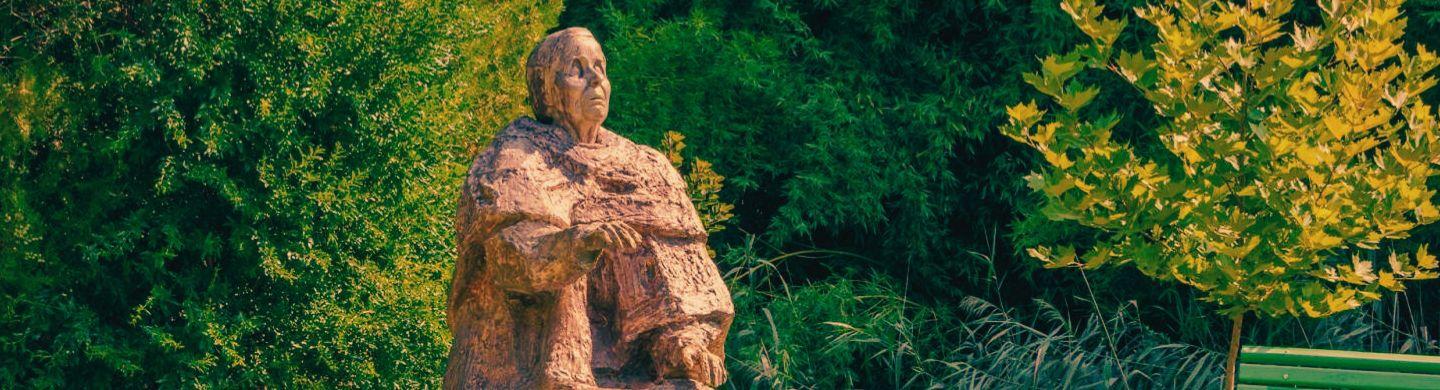
Imagine stepping into a swirling mist of legend. In the dim light, Baba Vanga’s world takes form in whispers. For decades, every major event has conjured headlines claiming she predicted it. It sounds like the stuff of thrillers: the elderly blind woman foretelling skyscrapers collapsing, invisible viruses, or tsunamis swallowing cities. And the internet, with its hunger for clicks, happily adds extra spice to every tale.
But what if, in the process, fact got lost in the fog? As we open that dusty old box of prophecies, it turns out most of the sensational claims are just that — claims. And yet, some genuine echoes of her visions remain. Along the way, we’ll meet the real whispers she left behind and ask the big question buzzing online: “What about 2026?”
Every time a new crisis shakes the world, out come the viral stories: “Baba Vanga predicted 9/11,” or “she foresaw the COVID pandemic,” or “she warned us a great wave would come in 2004.” The headlines are dramatic, and they spread like wildfire. The truth? None of these stories come from her own words or any written record. Baba Vanga didn’t keep diaries of her visions. She never wrote a book or recorded audio prophecies.
So why do these “predictions” keep popping up? Usually, they appear after events happen — a suspicious pattern. For example, social media posts proclaiming “Vanga saw the 2004 tsunami” only appeared after the disaster struck. A flashy headline claiming “she predicted a great virus in 2020” lights up feeds only once COVID-19 has taken hold. In short, these rumors feel like clever after-the-fact clickbait.
This isn’t to say everything tied to her name is fake — far from it. It just means we have to sift through the noise. Baba Vanga was a real person who did make predictions of a sort. But her prophecies come from old stories, interviews, and the memories of people who met her. She spoke in riddles and images — not neat bullet points with dates.
Set aside the internet legends, and a few genuine Baba Vanga sayings still sparkle through. They’re vague and poetic, certainly not quoted word-for-word, but they’re rooted in older sources. Think of them as rare gems hidden in the mine of myth.
She often spoke about Europe undergoing dramatic change. A common line attributed to her is simply: “Europe will change.” No detail about how or when, just a sense that the continent’s future would be unrecognizable. Listeners have taken that many ways — political shifts, cultural revolutions, or something more mysterious. Whatever she meant, it wasn’t a clear forecast, just a haunting hint.
Another image she painted was a “great wave swallowing coasts.” After the devastating 2004 tsunami, people pointed to this line and said, “See? She warned us!” But notice – she never attached it to a date or even a region. It reads more like a metaphor or a dream. Was she talking about rising seas and climate change? Or a one-time natural disaster? The prophecy doesn’t say. It’s the kind of phrase that lends itself to dramatic interpretations.
Then there’s the idea that “people will find new ways to heal.” Is that a nod to future medical breakthroughs, like cures we haven’t discovered yet? Or does it mean spiritual and emotional healing will blossom? Again, Baba Vanga left it open. It sounds hopeful — as if, she was saying, “Someday, we’ll figure out how to really mend what ails us.”
She also warned that “nature will grow tired of how people treat it.” At first glance, this sounds like a cynical climate warning — the planet striking back. And in our era of wildfires, floods, and heatwaves, it does feel prescient. But she didn’t specify when or how that would happen. It’s a poetic caution: treat the earth poorly, and there may be consequences.
Perhaps the most famous story with a grain of truth involves the Russian submarine K-141 Kursk. In 2000, after that submarine tragically sank, news outlets reported that Baba Vanga had predicted “Kursk” (the name of a Russian city and also the sub) would be “covered by water.” She actually died in 1996, and the story goes that shortly before her death she talked about a catastrophe involving “Kursk and water.” Believers say this was eerie foretelling; skeptics point out the account is vague and was reported after the fact. Still, it’s one of the few cases where something she supposedly said matches a real event.
Are these quotes perfect transcripts of her voice? Probably not. Are they rooted in something older than modern tabloids? Yes, enough that fans call them “rare gems”. In a world of prophecy hype, anything anchored in actual memory stands out.
Here’s where things get really interesting. Every year as 2026 draws nearer, a new wave of articles and memes declare that “Baba Vanga predicted a major crisis in Europe in 2026.” Sometimes the stories list scary-sounding bullet points: economic collapse, political chaos, rising conflict. They make it sound like a blockbuster dystopia — if only we had a time traveler to confirm it.
So what did she actually say about 2026? The short answer is: she didn’t. Not in any recorded way. The year 2026 itself appears to belong solely to modern storytellers. Baba Vanga never publicly tied her visions to that calendar date.
Think of it this way: she often spoke passionately about Europe – how it might be unrecognizable someday – but she gave no year. The number 2026 seems to have crept in later, a creation of those seeking dramatic headlines. In fact, no transcript or interview from her lifetime assigns that number. All it took was one sensationalized website, and the rumor took off.
Why does 2026 keep haunting our feeds? Part of it is simple timing: Europe is in flux. Economies wobble, politics shift, and the public’s anxiety about the future is high. Toss in conflicts at the continent’s borders and a general feeling that the ground beneath us might be changing, and a “prediction” like this finds a receptive audience. 2026 feels close enough to spark unease, so the myth of a prophecy fits right in.
In reality, Baba Vanga was the opposite of a dispassionate soothsayer who knew exact dates. She preferred speaking in symbols and images. She painted with feelings and visions, not calendars. Like many mystics, she gave us an impression rather than an itinerary. Dreams don’t come with timestamps — they come with metaphors.
Weighing all this, it’s easy to forget why we care about Baba Vanga at all. Underneath the swirling rumors and doomsday chatter, the woman herself had a gentle core that hardly fits the creepy aura the internet sometimes gives her.
Those who met or studied her say her guiding concern was compassion, not terror. Visitors described Baba Vanga as kind and caring, someone who truly listened. She would encourage families to find peace amid turmoil, to keep kindness alive even when life was hard. She cared about helping the poor and about people being good to the earth. She spoke of choosing love over anger and trusting your inner voice when making decisions.
In other words, she wasn’t trying to scare us with doom. If anything, she seemed to want people to become better before the future unfolded. One former follower summed it up: her real message was “Grow into a better person before the future arrives.” Maybe that was her true prophecy — the idea that wisdom and goodness matter more than guessing headlines.
Thirty years after Baba Vanga passed, her legend shows no sign of fading. In fact, it keeps cropping up, generation after generation. Why do we keep telling these stories? Part of it is simple human nature. We love mysteries. A blind woman with uncanny visions is like the ultimate puzzle piece.
The Mystery Effect. Humans are natural puzzle-solvers. The idea that someone sees beyond the horizon of time is a story we love to hear. We get a thrill trying to decode a secret that someone else supposedly cracked.
The Internet Effect. Once, stories like Baba Vanga’s spread by word of mouth or newspapers. Today, every rumor has wings. Clickbait titles and viral videos inflate legends at lightning speed. A single sensational post can circle the globe before lunch, while the facts lag behind.
The Human Effect. Deep down, we crave meaning and hope in an uncertain world. We want reassurance that history isn’t random chaos. Believing someone saw it coming — even if we didn’t — can make us feel comforted. So we latch onto figures like Vanga as if they’re guiding lights, little lanterns in the darkness of our confusion.
Baba Vanga sits right in the middle of these drives. She’s a puzzle we want to solve, she’s a viral story, and she offers something to cling to.
Reading about Baba Vanga’s supposed predictions often leads to spine-tingling “What ifs.” But there’s a softer way to channel that curiosity — a way that doesn’t leave you tossing and turning.
Our app, Divine Whisper, is built around that idea. Instead of horrifying headlines and blurry prophecies, it offers gentle guidance to help you trust your own inner wisdom. Imagine having a daily ritual that grounds you: a tarot pull in the morning to focus your intentions, a touch of astrology to offer perspective, or a soothing affirmation when you’re feeling overwhelmed.
The key is: no fear, no doomsday predictions. Just tools for clarity, calm, and confidence. It’s like having a wise friend in your pocket, encouraging you to look inward rather than scapegoating the future. We think that’s closer to what Baba Vanga herself might have hoped for — people growing in compassion and insight, not curled up in dread.
Whether Baba Vanga truly glimpsed the future or simply saw into the hearts of those around her, her story remains strangely beautiful. She reminds us of something ancient: even in darkness, one person can help others see the light. Even without sight, someone can offer a new perspective.
She didn’t hand us a playbook of tomorrow’s headlines — she gave us metaphors and lessons. And maybe that’s better for the spirit. The real magic isn’t in predicting the next crisis; it’s in helping us find courage for today. In the end, maybe Baba Vanga’s most enduring gift is this idea: we can shape our destiny by who we choose to be right now. Between all those shadows of rumor and fear, there shines the simple truth — the most powerful guidance is the strength and light we carry within ourselves.
2026 is a breakthrough year for Aries (Mesha Rashi)—one filled with bold career moves, emotional evolution, glowing confidence, and deep inner transformation. From romantic renewal to major professional upgrades and a renewed commitment to wellness, Aries navigates a powerful cycle of growth that feels both liberating and empowering. This lifestyle-magazine style horoscope explores each quarter of the year with clarity, charm, and real-world insight.
2026 is a quiet power year for Virgo (Kanya Rashi) — the kind of year where subtle shifts create major life upgrades. With strong themes around career growth, holistic wellness, mature relationships, and inner healing, this is a year of refining your routines, choosing authenticity over perfection, and aligning your outer world with your inner truth. Expect breakthroughs in work, clarity in love, and a deeper understanding of what truly nourishes your mind, body, and spirit.
2026 is the year Pisces (Meena Rashi) steps out of the mist and into true personal power. With Saturn reshaping your identity, Jupiter expanding your emotional world, and a wave of cosmic shifts pushing you toward growth, this is a year of transformation, discipline, love, and meaningful momentum. Expect breakthroughs in career, deeper relationships, and a renewed sense of purpose as you build the life you’ve been dreaming about.
2026 is a year of quiet power for Scorpio (Vrischik Rashi) — where ambition matures, relationships deepen through emotional truth, and success is redefined by alignment rather than control. This in-depth horoscope explores Scorpio’s journey through discipline, visibility, and inner mastery across all four phases of the year.
Astrology and tarot have guided humanity for centuries, offering profound insights into love, career, and personal growth. But with so many astrology apps available, why should you choose Divine Whisper AI Astrology and Tarot App? The answer lies in our commitment to providing personalized, consistent, and accurate astrology predictions—unlike traditional apps that rely on generic, one-size-fits-all readings.